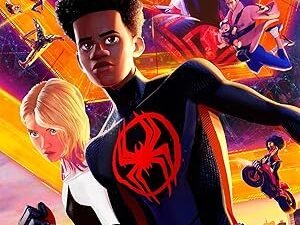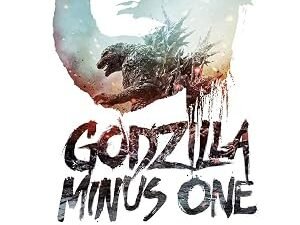
A great trailer is a miracle of compression. In two minutes — sometimes less — it must introduce a world, establish characters, hint at conflict, and sell an audience on why they should spend two hours and a ticket’s price on the film. It is a marketing exercise, sure, but at its best it is also an art form.
Trailer editors are the unsung heroes of Hollywood marketing. They sift through hours of footage to find the moments that define a film’s tone, working with music supervisors to pick tracks that will become instantly associated with the movie. Some trailers are so beloved that they generate more excitement than the film itself.
But the trailer also carries enormous risk. Show too much, and the film’s surprises are spoiled — a complaint leveled at countless blockbusters that revealed their best twists in the marketing. Show too little, and audiences may not understand what the film is about. Finding that balance is a delicate craft that studios still struggle to master.
In recent years, the rise of short-form video has changed trailer strategy again. Studios now cut vertical versions for social media, 30-second teasers for streaming ads, and full theatrical trailers for the big screen. The core challenge remains the same, though: those few minutes have to make people believe the film is worth their time. When a trailer does its job perfectly, it becomes part of the movie’s legend.
The Trailer as an Art Form
A great trailer is a miniature movie — complete with its own three-act structure, emotional arc, and visual language. The best editors understand that a trailer is not a summary; it is a promise. It must communicate the film’s tone, tease its biggest moments, and leave the audience wanting more. That balance between revelation and restraint separates legendary trailers from forgettable ones.
The Music Is Everything
Trailer music is a craft in itself. A well-chosen track can elevate a mediocre montage into a viral moment — think of the iconic use of classic songs in major franchise trailers. Modern trailers often commission original scores that mirror the film’s soundtrack, creating a seamless bridge from marketing to movie.
The Economics of a Great Trailer
Studios spend serious money on trailers because the return is measurable. A trailer that trends generates millions of views, thousands of social conversations, and — critically — advance ticket sales. The first trailer for a major franchise release is now a cultural event, with live streams, reaction videos, and frame-by-frame analysis following within hours.
What Makes a Trailer Viral
- A signature visual that becomes instantly recognizable
- A musical moment that sparks memes and covers
- A hint of mystery that fuels fan theories
- A release timing that dominates a news cycle
Trailers are the first movie audiences see — and often the reason they buy tickets for the second. The two-minute art form has never been more important.