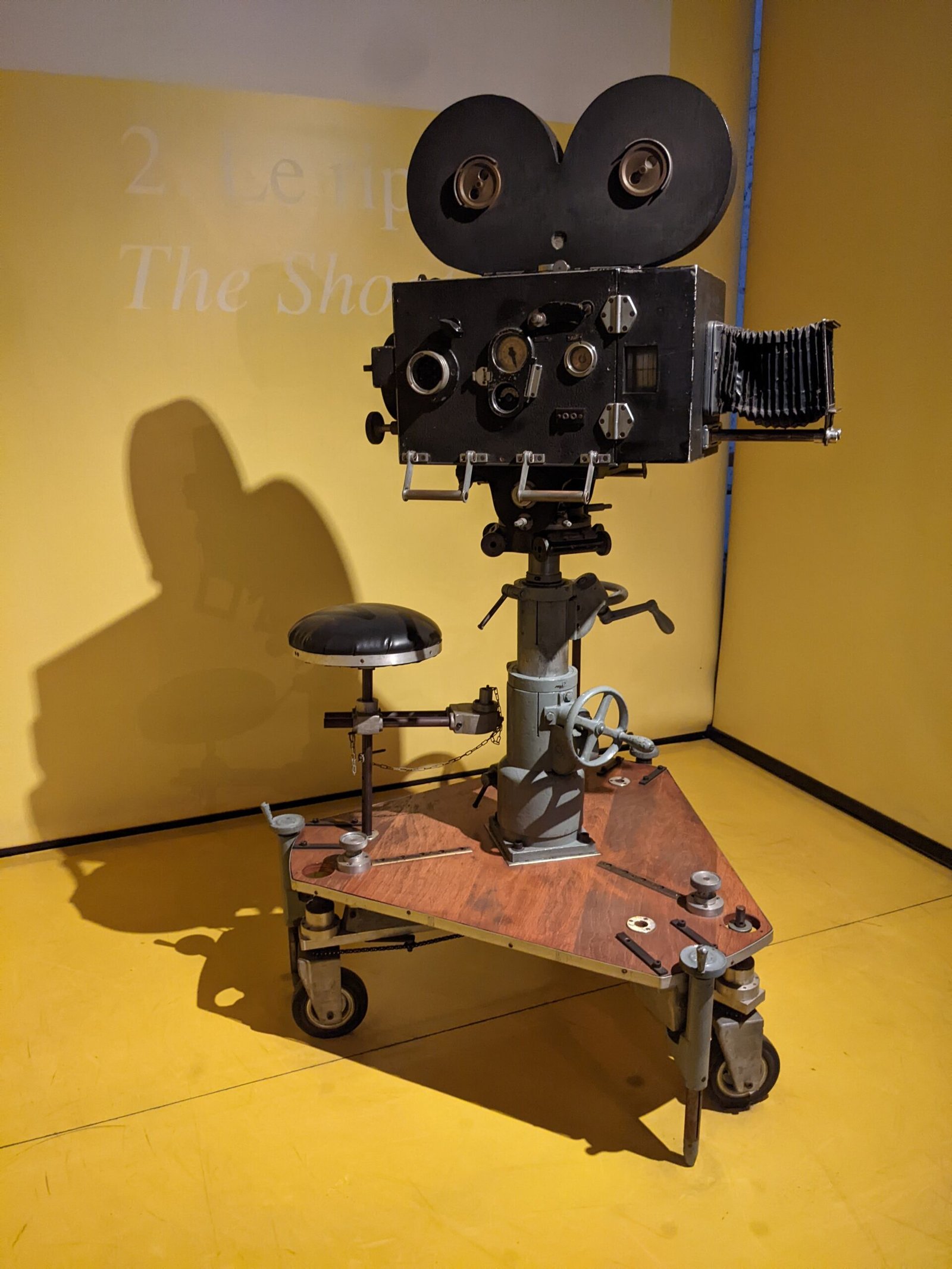
Film criticism has changed dramatically over the past decade. While traditional reviews still have their place, a new form has risen to prominence: the video essay. On YouTube and streaming platforms, creators are producing deep, analytical videos that dissect everything from cinematography choices to narrative structure — and audiences cannot get enough.
What makes video essays so effective is their ability to show rather than tell. A written review can describe a stunning tracking shot, but a video essay can freeze the frame, highlight the camera movement, and explain exactly why it works. The medium turns film analysis into a visual experience that mirrors the films themselves.
The rise of video essays has also democratized criticism. Anyone with an eye for detail and a willingness to put in the work can build an audience for thoughtful film analysis. Some of the most insightful criticism of the last decade has come from creators without any formal journalistic background — just a deep love of cinema.
There are, of course, concerns. The algorithmic pressure to produce regular uploads can push creators toward hot takes over considered analysis. And the economics of the format favor longer videos, which does not always suit the subject. But at their best, video essays have become a genuine art form in their own right.
For movie lovers, the video essay boom is a gift. After you watch a great film, there is now an entire ecosystem of smart, passionate people ready to help you understand why it worked — or why it did not. Film appreciation has never been so accessible.
The Rise of the Long-Form Critic
Video essays transformed film criticism into entertainment. The best creators blend analysis with storytelling — a 30-minute video that feels like a documentary, a conversation, and a lecture all at once. This format rewards depth in a way that written reviews rarely can, and audiences have responded with loyal followings.
Why Show-Don't-Tell Wins
Film is a visual medium, and video essays exploit that fact beautifully. Need to explain a director’s use of negative space? Show ten examples in ten seconds. Want to demonstrate how editing creates tension? Overlay the cuts on screen. This immediacy converts abstract concepts into visceral understanding.
The Business of Video Essays
What began as hobbyist passion projects is now a serious industry. Top creators earn sponsorships, run Patreons, and partner with streaming platforms for exclusive content. Some critics have transitioned into consulting for filmmakers, while others use their platforms to champion underseen gems that would otherwise vanish.
The Future of Criticism
- Interactive essays and annotated viewing experiences
- AI-assisted analysis tools for pattern detection in film language
- More regional and multilingual film criticism
- Community-driven viewing clubs and watch-alongs
Video essays did not replace film criticism — they expanded it. The medium’s future belongs to those who can explain why movies matter, one frame at a time.