Comic book adaptations have never been bigger. Between the MCU’s multiverse gambit, DC’s hard reboot under new leadership, and prestige shows like Invincible and The Penguin, studios keep betting billions on four-color characters. But here is the uncomfortable truth: the more adaptations succeed, the more the source material itself gets taken for granted.
The Adaptation Boom, by the Numbers
Ten years ago, a comic book adaptation was an event. Today, there are so many in production that audiences have started to feel fatigue — unless the adaptation brings something genuinely fresh. The numbers tell the story: superhero films still dominate the global box office, but the margin is shrinking as audiences demand originality over formula.
Why the Source Material Matters More Than Ever
- Comics provide decades of tested storylines and character arcs
- The best adaptations (Logan, The Dark Knight, Spider-Verse) deviate smartly from source — and the worst ones ignore it entirely
- Readers are the built-in first-weekend audience every studio needs
- The comics industry’s sales spike whenever an adaptation lands
What Adaptations Get Right — and Wrong
The best modern adaptations understand that a comic is a blueprint, not a script. Spider-Man: Into the Spider-Verse took the spirit of the character and rebuilt the visuals from scratch. The worst ones treat the source as a checklist — which is exactly how you get a movie that satisfies nobody. The lesson for 2026: trust the material, but don’t be a slave to it.
The Comics Industry's Own Renaissance
Meanwhile, the direct market is quietly transforming. Digital-first publishing, creator-owned imprints, and the rise of webtoons have brought new readers in. The industry that feeds Hollywood’s biggest franchises is finally getting its own spotlight — and it deserves one.
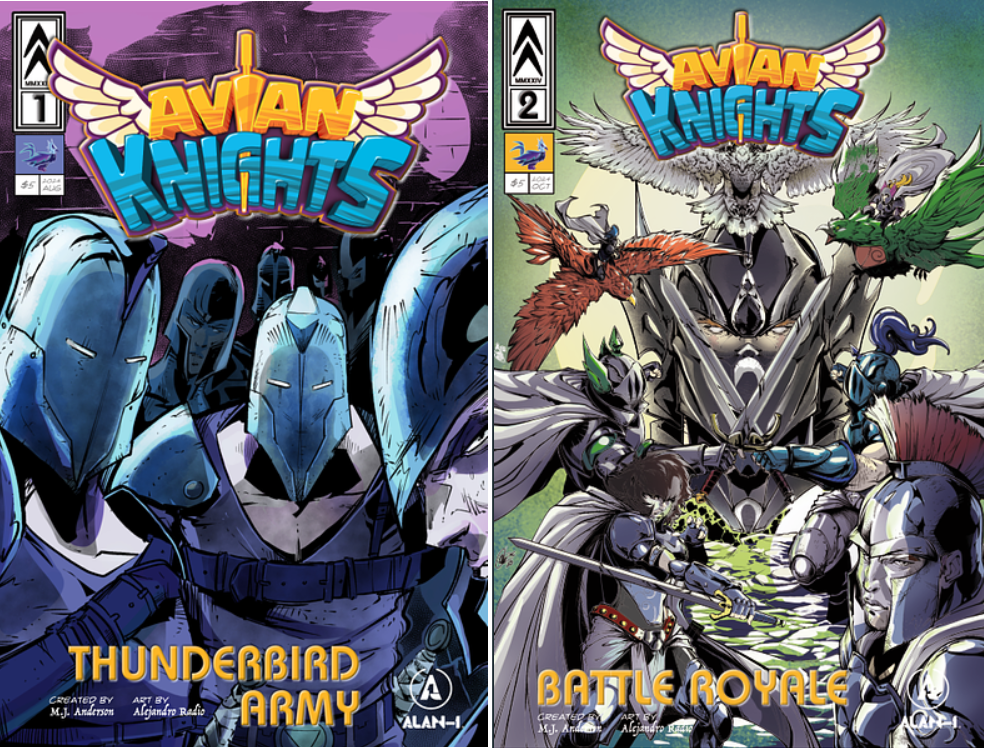
The Comics Behind the Adaptations
While blockbuster adaptations dominate headlines, the source material continues to thrive on its own terms. Monthly comics, graphic novels, and digital-first releases sustain a passionate readership that studios depend on for built-in audiences. The relationship between comics and their adaptations is symbiotic — each feeds the other’s growth.
The best adaptations send readers back to the original stories, and the original stories keep the fandom alive between releases. This cycle is why the industry’s most successful franchises invest in both mediums.